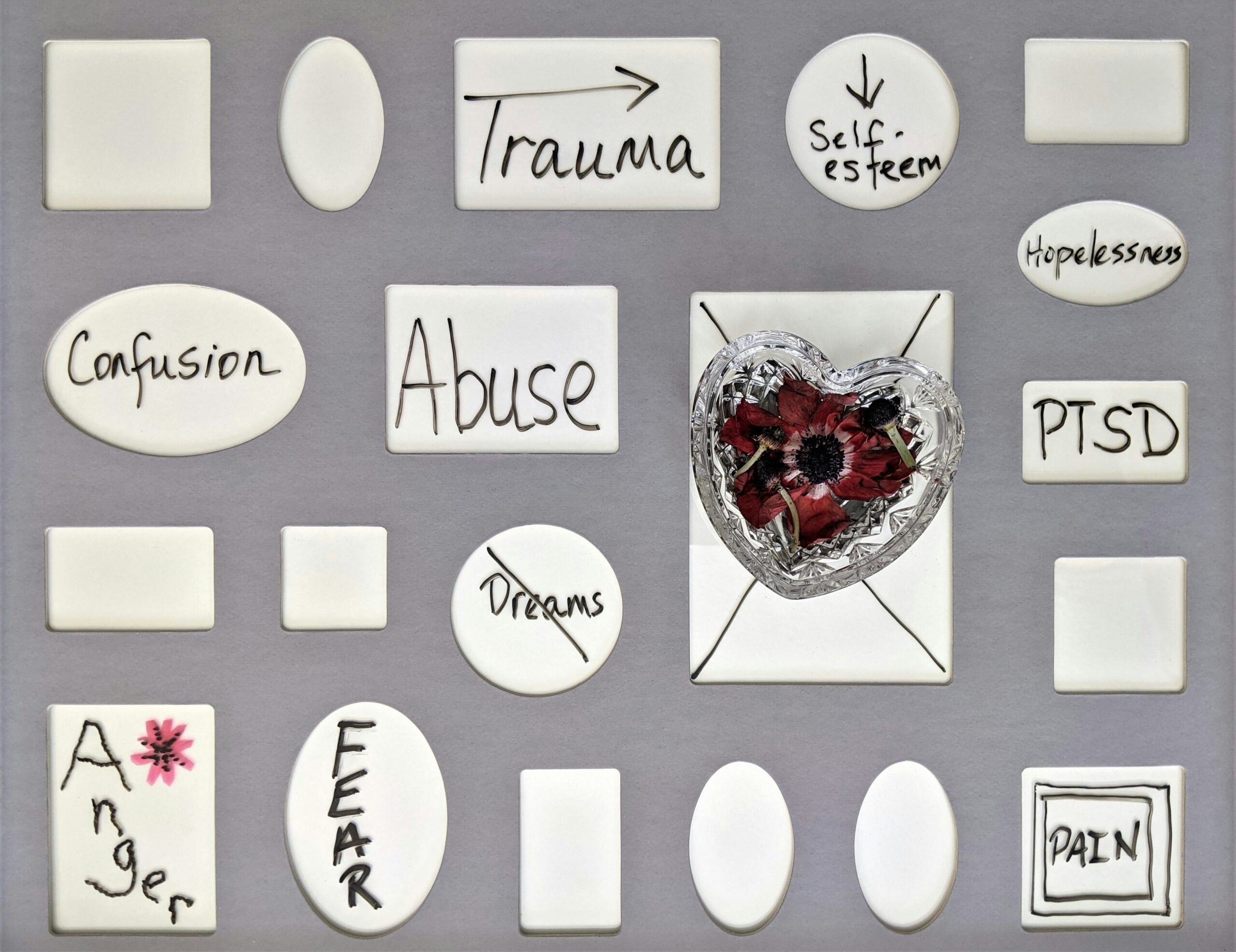
Mental health awareness has grown significantly in recent years, but awareness alone is not enough. Knowing that stress, anxiety, depression, trauma, and emotional distress exist is only the beginning. The real impact begins when people move from simply recognizing the signs of mental health challenges to taking meaningful steps that lead to support, treatment, and long-term well-being. Early intervention plays a powerful role in that process because it helps people receive care before problems become more severe.
Early intervention means responding to mental health concerns as soon as warning signs appear. This may include talking with a trusted person, seeking professional guidance, joining a support group, making lifestyle changes, or creating a safety plan when needed. The goal is not to label someone or assume the worst. The goal is to offer help at the right time, reduce suffering, and give people the tools they need to manage challenges before they become overwhelming.
Why Early Intervention Matters
Mental health concerns often develop gradually. A person may begin by feeling unusually tired, withdrawn, irritable, anxious, or disconnected from everyday life. These signs can be easy to dismiss, especially when someone is busy with school, work, family, or personal responsibilities. However, when early signs are ignored, emotional distress can deepen and affect relationships, physical health, performance, and overall quality of life.
Early intervention matters because it creates an opportunity to respond before a crisis occurs. When people receive support early, they are more likely to understand what they are experiencing and learn healthy coping strategies. This can prevent problems from becoming more difficult to manage. Just as people are encouraged to seek medical attention for physical symptoms before they worsen, mental health concerns deserve the same timely attention and care.
Recognizing the Warning Signs
One of the first steps in early intervention is learning how to recognize changes in mood, behavior, and daily functioning. Warning signs may include ongoing sadness, excessive worry, loss of interest in activities, changes in sleep or appetite, difficulty concentrating, increased anger, social withdrawal, or feelings of hopelessness. These signs do not always mean someone has a serious mental health condition, but they can indicate that support is needed.
It is also important to notice when someone no longer seems like themselves. A student who suddenly stops participating, an employee who becomes unusually quiet, or a friend who stops responding to messages may be struggling internally. Early intervention begins with paying attention and responding with compassion instead of judgment. A simple conversation can sometimes open the door to meaningful help.
Reducing Stigma Around Mental Health
Stigma remains one of the biggest barriers to early mental health support. Many people avoid asking for help because they fear being judged, misunderstood, or seen as weak. This silence can make mental health challenges feel more isolating. When communities speak openly and respectfully about mental health, they make it easier for people to come forward before their struggles become more serious.
Reducing stigma requires changing the way people talk about emotional distress. Mental health should be treated as a normal part of overall health, not as something shameful or hidden. When families, schools, workplaces, and communities encourage honest conversations, they create safer spaces for people to ask for help. Awareness becomes more powerful when it leads to acceptance, understanding, and action.
The Role of Families and Friends
Families and friends are often the first to notice when someone is struggling. Their support can make a major difference in whether a person seeks help early. Listening without interrupting, asking gentle questions, and showing concern can help someone feel less alone. It is important to avoid minimizing their feelings or offering quick solutions that may make them feel dismissed.
Support does not require having all the answers. Sometimes the most helpful response is simply to be present and encourage the person to connect with appropriate resources. A friend or family member can help by offering to sit with them, assist in finding a counselor, or check in regularly. These small actions can provide comfort and make the path toward help feel less intimidating.
Schools and Early Mental Health Support
Schools play an important role in early intervention because many mental health challenges begin during childhood, adolescence, or young adulthood. Teachers, counselors, coaches, and school staff may notice changes in a student’s behavior before others do. When schools provide mental health education and accessible support, students are more likely to understand their emotions and seek help when needed.
A supportive school environment can also teach students that asking for help is a strength. Programs that promote emotional awareness, stress management, peer support, and access to counseling can reduce isolation and improve student well-being. Early support in schools can help young people build healthy coping skills that continue into adulthood.
Workplaces and Mental Health Action
Mental health also affects adults in the workplace. Stress, burnout, anxiety, and depression can influence productivity, communication, and job satisfaction. Employers who recognize the importance of early intervention can create healthier work environments by encouraging work-life balance, offering mental health resources, and training managers to respond empathetically.
Workplaces should not wait until employees reach a breaking point before offering support. Flexible policies, access to employee assistance programs, reasonable workloads, and open communication can help people address concerns earlier. When mental health is treated as part of workplace wellness, employees are more likely to feel valued and supported.
Professional Help and Treatment Options
Professional support can be an important part of early intervention. Therapists, counselors, psychologists, psychiatrists, and primary care providers can help people understand their symptoms and explore appropriate treatment options. Support may include therapy, medication, lifestyle adjustments, or a combination of approaches depending on the person’s needs.
Seeking professional help does not mean someone has failed. It means they are taking their well-being seriously. Early professional support can help people identify patterns, develop coping skills, and create a plan for managing stress or symptoms. The earlier someone receives guidance, the more opportunities they have to build resilience and prevent further harm.
Building a Culture of Action
Awareness campaigns are valuable, but they must be connected to real action. Posting about mental health, sharing messages of support, or raising awareness of awareness months can help start conversations. However, true change happens when those conversations lead to accessible care, supportive policies, and practical resources.
A culture of action means people know what to do when they notice signs of distress in themselves or others. It means schools, workplaces, families, and communities have clear pathways to support. It also means treating mental health concerns with urgency, kindness, and respect. Awareness should not end with recognition; it should lead to response.
Moving Forward With Compassion
Early intervention can improve mental health outcomes by helping people receive support before challenges become more severe. It encourages people to listen to themselves, pay attention to others, and take emotional distress seriously. When help is offered early, people have a better chance of recovering, growing, and continuing to live with purpose and connection.
Moving from awareness to action requires compassion, education, and courage. Everyone has a role to play, whether by checking in on a friend, supporting a student, improving workplace resources, or seeking help for oneself. Mental health care should never be delayed because of fear or stigma. The sooner people feel supported, the stronger the path toward healing can become.