The human mind reflects a complex interaction between biology, lived experience, and physical health. Although many people view mental health disorders as isolated psychological conditions, research continues to show that genetics, trauma, and chronic illness strongly shape emotional and cognitive well-being. These factors rarely act alone. Instead, they overlap and influence each other, which increases vulnerability or strengthens resilience depending on the environment and support a person receives.
Understanding the role of genetics and mental health, the impact of trauma and mental health disorders, and the connection between chronic illness and mental health helps individuals and clinicians recognize risk early. More importantly, it encourages a comprehensive approach to treatment that addresses both body and mind.
Genetics and Mental Health Risk
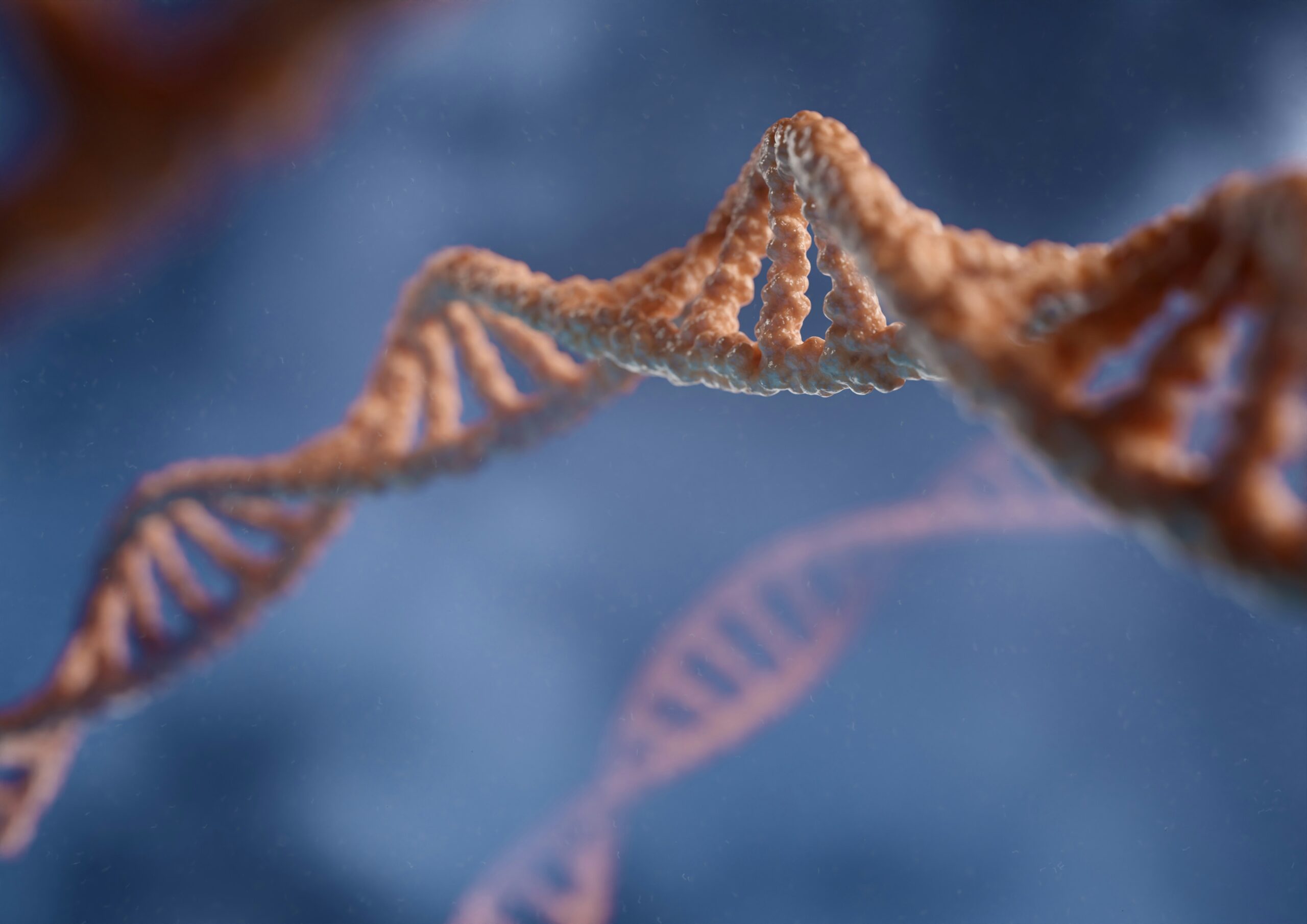
Genes influence how the brain develops, regulates chemicals, and responds to stress. Therefore, genetics and mental health are closely linked. Scientists have identified genetic risk factors for mental illness in conditions such as depression, bipolar disorder, schizophrenia, and anxiety disorders. However, genes do not determine destiny. Instead, they increase susceptibility.
For example, individuals with a family history of major depressive disorder face a higher likelihood of experiencing depression themselves. Similarly, bipolar disorder and schizophrenia often run in families. Nevertheless, not everyone with a genetic predisposition develops symptoms. Environmental factors, coping skills, and social support often shape whether genetic vulnerability becomes a disorder.
Moreover, genes influence neurotransmitters such as serotonin, dopamine, and norepinephrine. These chemicals regulate mood, motivation, and emotional balance. When genetic variations affect how these systems function, individuals may struggle with mood regulation or heightened stress sensitivity. As a result, even moderate life stress can trigger significant emotional distress in genetically vulnerable individuals.
Although researchers continue to map specific genes, mental health disorders rarely stem from one gene alone. Instead, multiple genes interact with life experiences. Consequently, prevention and early intervention remain possible even for those with strong family histories.
Trauma and Its Lasting Psychological Impact
While genetics creates vulnerability, trauma often activates it. Trauma and mental health disorders share a deeply interconnected relationship. Experiences such as childhood abuse, neglect, violence, serious accidents, or natural disasters can alter brain development and stress response systems.
Early life trauma proves especially harmful. During childhood, the brain undergoes rapid growth. Therefore, repeated exposure to fear or instability can disrupt emotional regulation systems. Children who experience trauma often develop heightened stress responses. Their bodies remain on alert, even in safe environments. Over time, this chronic stress response increases the risk of anxiety disorders, depression, and post-traumatic stress disorder.
Furthermore, trauma reshapes how the brain processes memory and emotion. The amygdala becomes more reactive, while the prefrontal cortex may struggle to regulate fear responses. As a result, individuals may experience flashbacks, hypervigilance, or emotional numbness. These symptoms characterize PTSD and other trauma-related conditions.
In addition, trauma affects belief systems. Survivors may develop negative self-perceptions or distrust others. Consequently, they struggle with relationships, which increases isolation and emotional pain. When trauma occurs alongside genetic risk factors for mental illness, the likelihood of developing severe mental health disorders rises significantly.
However, resilience plays a critical role. Supportive relationships, therapy, and safe environments help rewire stress responses. Although trauma leaves lasting effects, many individuals recover and build meaningful lives when they receive appropriate care.
Chronic Illness and Mental Health Disorders
Chronic illness and mental health share a bidirectional relationship. Long-term physical conditions such as diabetes, heart disease, autoimmune disorders, and chronic pain conditions often increase the risk of depression and anxiety. At the same time, mental health disorders can worsen physical health outcomes.
Living with a chronic disease creates ongoing stress. Individuals must manage medications, doctor appointments, lifestyle restrictions, and unpredictable symptoms. Therefore, they may experience frustration, fear, and grief over the loss of abilities. Over time, these emotional burdens contribute to depression and anxiety.
For example, chronic pain significantly increases the risk of major depressive disorder. Pain disrupts sleep, reduces mobility, and limits social engagement. Consequently, individuals withdraw from activities they once enjoyed. This isolation intensifies emotional distress and weakens coping skills.
Additionally, inflammation plays a role in both chronic illness and mental health disorders. Research suggests that inflammatory processes may contribute to depression and other mood disorders. Therefore, chronic physical conditions that involve inflammation can directly influence brain chemistry and mood regulation.
Moreover, individuals with chronic illness often experience uncertainty about the future. This uncertainty can fuel persistent anxiety. If healthcare providers focus only on physical symptoms, they may overlook psychological distress. As a result, untreated mental health conditions may worsen overall health outcomes.
The Interaction Between Genetics, Trauma, and Chronic Illness
Although each factor influences mental health independently, they frequently interact. For instance, someone with genetic vulnerability to depression may experience childhood trauma. Later, they may develop a chronic illness that increases inflammation and stress. Each layer compounds the other.
Genetic predisposition may heighten sensitivity to trauma. Trauma may alter stress systems in ways that increase susceptibility to chronic disease. Chronic illness may then trigger depressive episodes in someone already at risk. Therefore, mental health disorders often emerge from cumulative stress rather than a single cause.
Furthermore, chronic stress from trauma can weaken immune function. Over time, this weakened system increases vulnerability to physical illness. When illness develops, emotional distress intensifies. Consequently, a cycle forms that connects biological and psychological factors in mental health.
Recognizing this interplay helps clinicians create integrated treatment plans. Instead of addressing symptoms in isolation, healthcare providers can consider family history, trauma exposure, and physical health conditions together.
Early Intervention and Holistic Treatment
Because genetics, trauma, and chronic illness shape mental health disorders in interconnected ways, treatment should address multiple dimensions. Early screening for family history of mental illness allows providers to identify individuals at higher risk. Similarly, trauma-informed care ensures that clinicians recognize and respond to the impact of adverse experiences.
Psychotherapy plays a central role in recovery. Cognitive behavioral therapy helps individuals challenge negative thought patterns. Trauma-focused therapies assist in processing painful memories safely. Meanwhile, medication may be used to regulate neurotransmitter imbalances when appropriate.
In addition, integrated care models that combine physical and mental healthcare improve outcomes for individuals with chronic illness and depression. Physicians and mental health professionals can collaborate to manage inflammation, pain, and emotional symptoms simultaneously.
Lifestyle factors also matter. Regular exercise supports brain health and reduces inflammation. Balanced nutrition strengthens immune function. Adequate sleep regulates mood and stress hormones. Therefore, holistic care strengthens resilience across biological and psychological systems.
Importantly, social support remains one of the strongest protective factors. When individuals feel understood and supported, stress decreases. Supportive relationships buffer the impact of genetic risk and trauma. As a result, resilience grows even in the presence of vulnerability.
Moving Toward Compassionate Understanding
Mental health disorders rarely arise from weakness or personal failure. Instead, they reflect complex interactions between genetics and mental health, trauma and mental health disorders, and chronic illness and mental health. Each factor contributes to vulnerability, yet each also presents opportunities for intervention.
As research advances, society continues to move away from stigma and toward science-based understanding. When individuals recognize that biology, experience, and physical health all influence emotional well-being, they often feel less shame and more empowerment.
Ultimately, prevention, early intervention, and integrated care offer hope. By acknowledging the powerful role of genetic risk factors for mental illness, the impact of childhood trauma on mental health, and the emotional burden of chronic disease and depression, communities can promote more compassionate and effective support systems.
Mental health reflects the whole person. Therefore, lasting recovery requires attention to the brain, the body, and lived experience together.